 English
 中文简体
中文简体
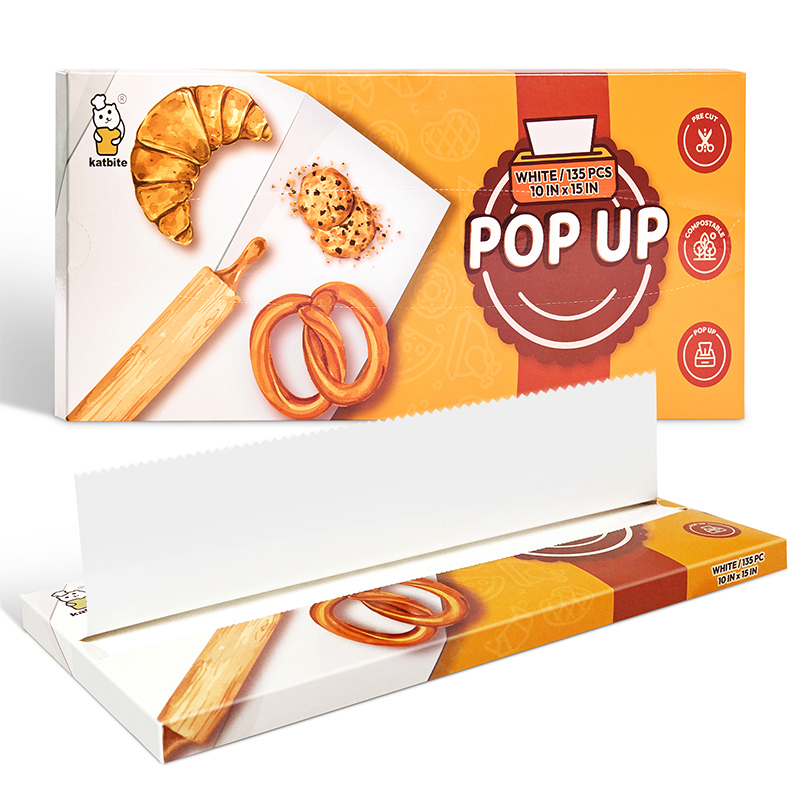
Product details: Pop-up parchment paper sheets, an environment-friendly product, are composed of wood pulp and are double-side coated with silicone. Such a coating makes our paper smooth, greasepr...
See DetailsHome / News / Industry News / Double-Side Silicone Coated Steaming Paper for Dim Sum: Elevating Culinary Traditions
Double-Side Silicone Coated Steaming Paper for Dim Sum: Elevating Culinary Traditions
The world of food traditions holds many treasures, and dim sum occupies a special spot among them. It draws attention for the subtle tastes, contrasting textures, and thoughtful steps involved in putting each piece together. Drawing from Cantonese heritage, the practice centers on gathering with family or friends to enjoy bite-sized portions, paired with tea in an unhurried atmosphere. With growing curiosity about dim sum in many countries, professional cooks along with those trying recipes at home continue looking for practical steps to refine their approach and keep the genuine qualities of the food intact. One helpful option in this effort comes in the form of Double-Side Silicone Coated Steaming Paper, which gives steady assistance throughout the steaming stage.
Introduction to Double-Side Silicone Coated Steaming Paper
This kind of paper comes with a silicone layer on each side of a safe material meant for food contact. The layers produce a level surface that reduces the chance of dumplings, buns, or similar pieces attaching to the steamer while they cook. In setups that rely on bamboo baskets or similar vessels, food sometimes holds fast to the woven strips or tray bases, causing wrappers to rip or making removal tricky. Setting the paper inside the steamer addresses these situations, so the finished items come away without trouble. Cooks note that the step fits smoothly into routines already in place and does not call for switching out familiar tools or altering established habits.
Benefits for Consistent and Even Cooking
A clear advantage appears in the support the paper gives for steady heat movement while steam rises. The vapor flows in a uniform way across the arrangement, and the sheet contributes to steady conditions inside the container. The setup to cooking that proceeds evenly, avoiding spots where some parts finish ahead of others or remain less done. Results show up as fillings that stay soft inside wrappers keeping their outline, with insides holding moisture and outsides delivering a texture that fits the style. These conditions let the tastes come through in ways that match long-standing preferences for both flavor and look.
Practical Advantages in Daily Use
Day-to-day usefulness stands out in kitchen settings. Once the steaming finishes, taking the items out happens with little resistance thanks to the surface that resists attachment, cutting down on the possibility of breaking delicate forms. The outcome helps keep the visual side attractive, since appearance plays a role alongside flavor in dim sum. Washing up afterward takes less time because little buildup remains on the steamer parts. When several rounds happen in one sitting, the saved minutes and energy leave room to concentrate on choosing ingredients and shaping the pieces. The straightforward handling also tends to make cooks return to dim sum preparation more often, shifting it from something done now and then to a regular feature in meal ideas.
Versatility Across Steaming Setups
The range of uses widens the paper's place in cooking beyond dim sum alone. It works well as a liner for bamboo steamers and extends to different steaming styles, whether metal trays or arrangements with several levels. The coating on both sides keeps the performance level steady whichever way it sits, adding ease when positioning. Trimming the sheet to match basket measurements allows fitting into assorted sizes and types of gear. Kitchens at home end up needing fewer dedicated pieces, and busy professional spaces see dependable results even during peak hours. The flexibility suits the mix of layouts and equipment that appear in all sorts of cooking spaces.
The Historical Role of Steaming in Dim Sum
Steaming has stood as a central method in dim sum for hundreds of years as cooking ways developed. The approach took shape in teahouses positioned near old trading paths such as the Silk Road, where people stopped to rest, sip tea, and ease digestion after journeys. Those breaks turned into opportunities for offering light bites with the tea, and the snacks gradually expanded into a collection of steamed items that valued fresh materials and exact putting together. The custom of drinking tea, known in some places as yum cha, developed together with the food, changing brief rests into lively meetings built around plates passed around the table. Steamers made from bamboo earned preference because they let vapor move freely and added a light scent of their own. Problems with pieces holding fast continued, so people came up with on-the-spot fixes like laying vegetable leaves underneath or spreading a thin coat of grease. Options such as silicone-coated paper carry forward those early ideas, supplying steady help while leaving the basic way of working unchanged and honoring the practices built up over time.
Popular Steamed Dim Sum Varieties and Lining Needs
Steamed kinds in regular use show clearly how good lining helps. Dumplings filled with shrimp come with wrappers that let light through and need careful treatment to stay whole. Open styles holding pork and shrimp call for steady backing so they keep standing. Buns filled with barbecue pork work well when the dough receives moisture in an even way. Rolls made from rice sheets that wrap around mixed contents gain from a base that lets go without tearing the thin layers. Dumplings holding soup inside thin skins and centers of liquid especially gain when the surface keeps them from breaking open during movement. Other examples, such as ribs cooked with black beans or buns filled with custard, also depend on firm support underneath to hold form. Every sort benefits from something that protects the bottom area, so attention can stay on mixing tastes and creating texture differences.
Traditional Solutions to Sticking Challenges
Long ago, people turned to items found around the house when facing attachment during steaming. Leaves taken from vegetables such as cabbage or lettuce served as barriers that sometimes passed along a gentle taste while guarding the vessel. Surfaces with openings let steam through, yet they needed extra work beforehand. Other choices involved spreading oil across the area or turning to plain sheets of paper, and each carried drawbacks in how long they lasted or how easy they proved to use. These approaches served households well enough but could add steps or need changes based on how much food went in at once. Papers with coatings bring together endurance and straightforward handling, keeping the food safe and working steadily through extended times of steaming while cutting back on the need for last-minute fixes.
Handling Moisture and Heat Effectively
Along with the surface that resists sticking, the sheet deals with moisture in the drawn-out steaming sessions usual for dim sum groups. Added water from condensation stays away from making things limp or causing collapse, so wrappers hold together. The way it stands up to warmth matches the levels reached in steaming, so the material stays in place and adds nothing unwanted. That steadiness s to dependable results whether the meal serves a household or a larger group. Interaction between the paper and rising steam keeps the space inside controlled, backing up steady quality when amounts increase for special occasions.
Improving Workflow and Efficiency
Workflow gains smoothness with the paper in place. Shaping pieces ahead of time to line up with usual steamer measurements speeds the start. Adding layers handles baskets placed one on top of another, something seen often in home and restaurant kitchens. During tests of new recipes, equipment differences shrink, moving the main effort toward choosing fillings, adjusting seasonings, and working on folds. The smoother flow lets cooks turn their thoughts to fresh ideas instead of fixing usual troubles, so the whole preparation feels easier and brings more satisfaction.
Applications Beyond Dim Sum Preparation
The same features open doors to tasks in other parts of the kitchen. Sheets placed on baking trays give help with items that tend to hold fast, covering choices such as certain pastries or cut vegetables. Folding the material around sandwiches or snacks keeps them tasting fresh without clinging to wraps. These extra roles change the paper from an aid aimed at steaming into something used widely around the kitchen, opening the way for ideas in many styles of cooking. Bakers working at home or people packing lunches discover extra usefulness in the same qualities that resist sticking and handle moisture during ordinary days.
Achieving Authentic Results at Home
Putting together dim sum that feels true to its roots at home calls for care with the freshness of materials, thinness of wrappers, balance inside the fillings, and the way steaming happens. Items that lighten one area leave more room for focus on the rest. When dumplings come away without effort, the look improves and repeated tries build confidence.
Those sharing the meal notice the attention shown in shapes that stay whole and textures that stay even, adding to the pleasure of eating together. Those new to the process gain by beginning with recipes that forgive mistakes, turning to ready wrappers at times, and working on simple folds before moving to ones with more pleats. Fresh items count, together with careful measuring of seasonings and time left for dough to settle when making wrappers by hand. Spending a few moments to set everything neatly on the paper brings improved presentation and greater enjoyment when the food reaches the table.
The Cultural Significance of Communal Dim Sum
Enjoyment shared among people sits at the center of dim sum ways. Small servings come out, sparking talk and tasting from one plate to another. A selection arranged with thought passes along a feeling of welcome, each piece adding to a sense of balance for everyone. Ways of steaming that keep quality steady help carry the practice into places far from where it started.
Customs around tea carry weight, with the act of filling cups for others ahead of oneself showing thoughtfulness. Moving plates around the table in family style builds ties through mindful passing and use of utensils. The gathering puts relaxation and time with others ahead of quick eating. In many meetings, choosing dishes and offering them to companions turns into a way of showing concern and strengthening links between those present.
| Aspect | Key Point |
|---|---|
| Core Value | Tea customs emphasize thoughtfulness and consideration for others. |
| Table Practices | Sharing plates and passing dishes mindfully strengthens social bonds. |
| Social Impact | Prioritizing relaxation and company over speed fosters connection. |
| Gesture Significance | Selecting and offering dishes demonstrates care and concern. |
Innovations That Honor Tradition
As recognition of dim sum spreads further across countries, new ideas appear that hold onto the beginnings while answering needs of the present day. Double-side silicone coated steaming paper matches this direction, giving help that works alongside cooking knowledge instead of taking attention away from it. The way it appears in kitchens around the globe points to a common wish for meals that satisfy and feel genuine. Tools of this sort let the custom move forward in useful directions that fit both busy professional spaces and quieter home kitchens.
Appreciating the Layers of Dim Sum Technique
Looking closely at how dim sum comes together brings out steps worth noticing. Wrappers shaped by hand ask for repeated tries to reach the wanted thinness and bend. Fillings mix parts—vegetables that stay crisp next to proteins that turn soft—and seasonings that bring savory, sweet, and scented notes into line. Steaming keeps those fine points, staying away from the heavier touch of oil that other methods bring.
A liner one can count on strengthens this gentle way of cooking, letting the finer tastes show through in a clear manner. Every part of the sequence, beginning with readying the dough and ending with setting items in place, adds to the sense of unity that marks the food.
Guidance for Beginners in Dim Sum Making
Newcomers lay a foundation by choosing simple kinds at first. Dumplings with pork inside introduce basic ways of folding, while those with shrimp draw notice to the thinness of the wrapper. As comfort grows, pieces with more detail join in. Steady conditions during steaming support progress, and aids like this paper take away frequent troubles.
Turning to fresh materials, measuring seasonings with care, and allowing time for dough to rest when working from scratch all play a part. Steady work in putting things together brings results that satisfy. Taking time with wrapping and watching that filling spreads evenly help to improved dishes as practice continues. Short sessions of practice raise comfort levels, and adding new kinds bit by bit keeps the experience interesting without creating too much pressure.
Exploring Seasonal and Regional Variations
Differences tied to seasons or areas bring extra layers of interest. In some places seafood steps forward when the weather warms, while other spots turn to fillings that feel fuller during cooler months. Styles from Cantonese areas often highlight light and fresh touches, yet influences reaching from further parts of China may bring seasonings with more depth or dough with changed feel. Supports that adjust easily make room for trying local items or flavors within familiar recipes without stepping away from the main approach.
These shifts give cooks space to shape their dishes in personal ways, bringing in what grows nearby or suits local palates while holding onto the steaming steps that shape the food.
Celebrating Subtlety and Connection Through Dim Sum
At its heart, dim sum values quiet detail and the act of sharing with others. Something that improves the steps along the way does so without drawing notice, opening paths to links formed around bites that taste good. In busy groups or peaceful meals at home, the finished dishes show the care and respect given to the craft. Time spent around the table strengthens ties and leaves behind memories built on food prepared with attention and enjoyed together.
| Aspect | Key Point |
|---|---|
| Core Value | Dim sum emphasizes quiet detail and sharing. |
| Process | Improvements enhance the experience subtly, without drawing attention. |
| Social Impact | Meals strengthen relationships and create lasting memories. |
| Outcome | Finished dishes reflect care, respect, and attention to craft. |
Why Choose Guanghe Baking Paper
Zhejiang Guanghe New Materials Co., Ltd. is dedicated to the research, development, and manufacturing of food-grade silicone-coated paper, ensuring that its products deliver reliable performance while maintaining a discreet, understated presence—never overshadowing the culinary creations themselves. By producing double-sided coated steamer liners and offering a comprehensive range of baking papers and food packaging solutions, Guanghe ensures that—whether in the bustling environment of a professional kitchen or at the quiet, intimate setting of a family dining table—the focus remains firmly fixed on the chef's exquisite craftsmanship and the sheer joy of the dining experience, rather than being distracted by trivial, minor annoyances at the edges of the steamer.
Related Products
-
-
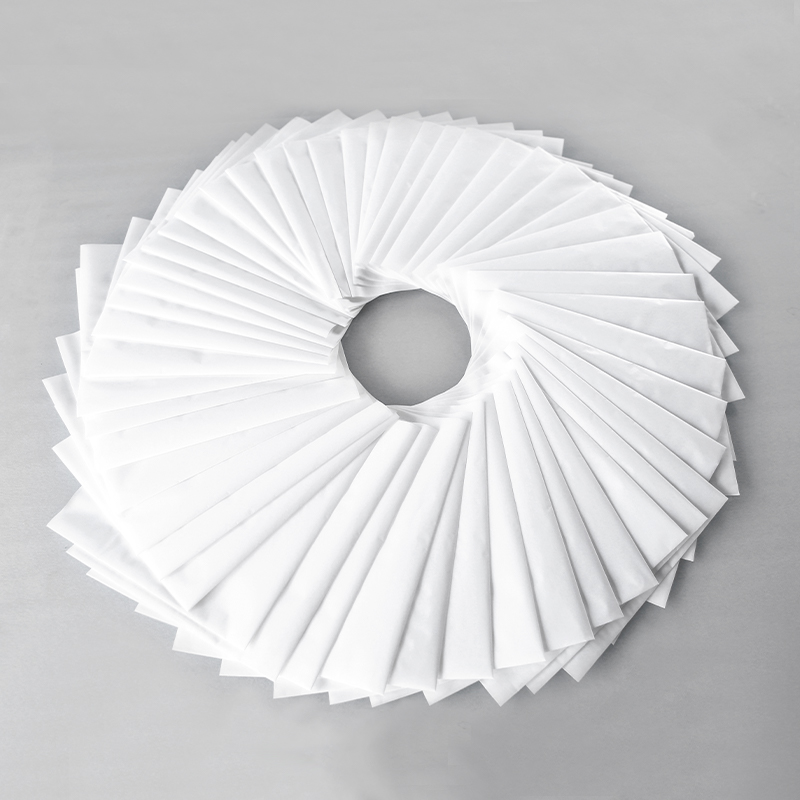
Product details: Folded baking paper sheets, an environment-friendly product, are composed of wood pulp and are double-side coated with silicone. Such a coating makes our paper smooth, greaseproof and...
See Details -
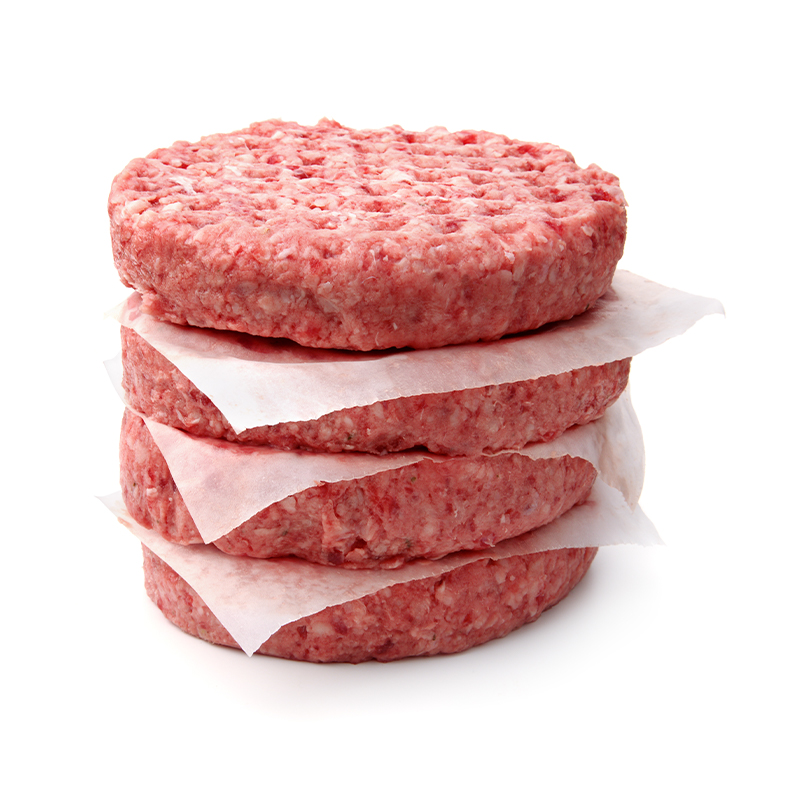
Description: Wax paper is the paper that is coated with food-grade wax in order to make it non-stick and waterproof. wax paper is very good for food storing and presentingMade of food-grade paper and ...
See Details -
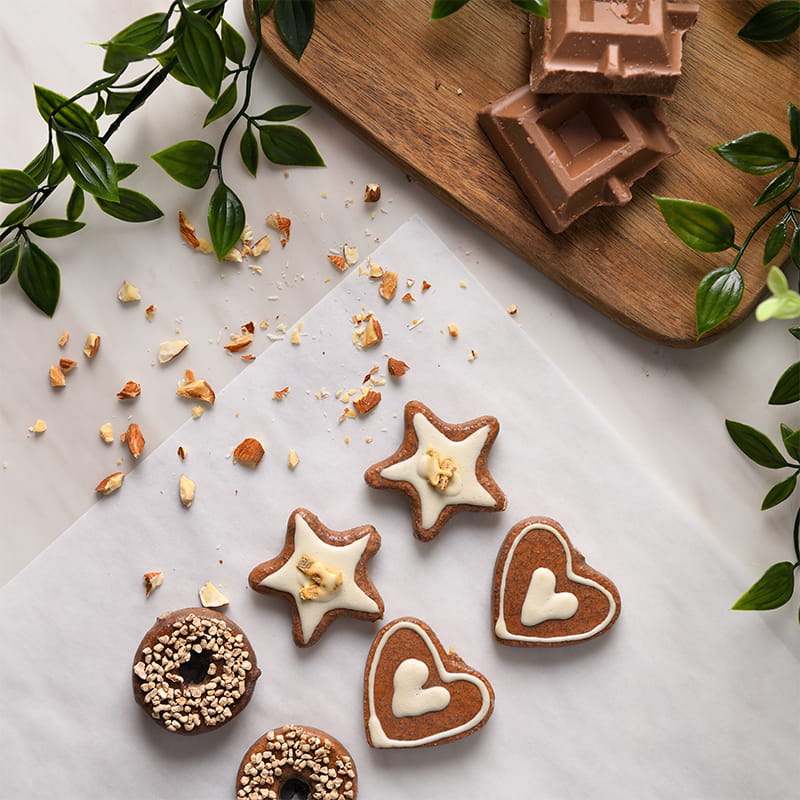
Product Features: 1. Virgin wood pulp 2. Double sides food grade silicone-treated 3. Fluorine-free 4. Non-stick 5. Oven/Microwave safe 6. Freezer safe 7. Reusable 8. BPA f...
See Details -
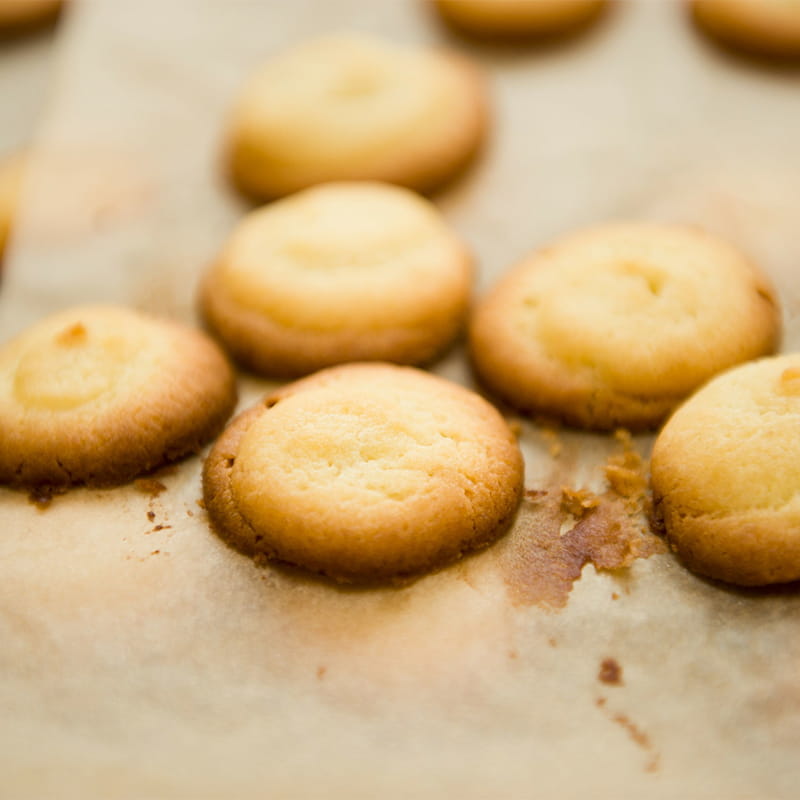
Product Features: 1. Virgin wood pulp 2. Natural unbleached brown color 3. Double sides food grade silicone-treated 4. Fluorine-free 5. Non-stick 6. Oven/Microwave safe 7. Fre...
See Details -
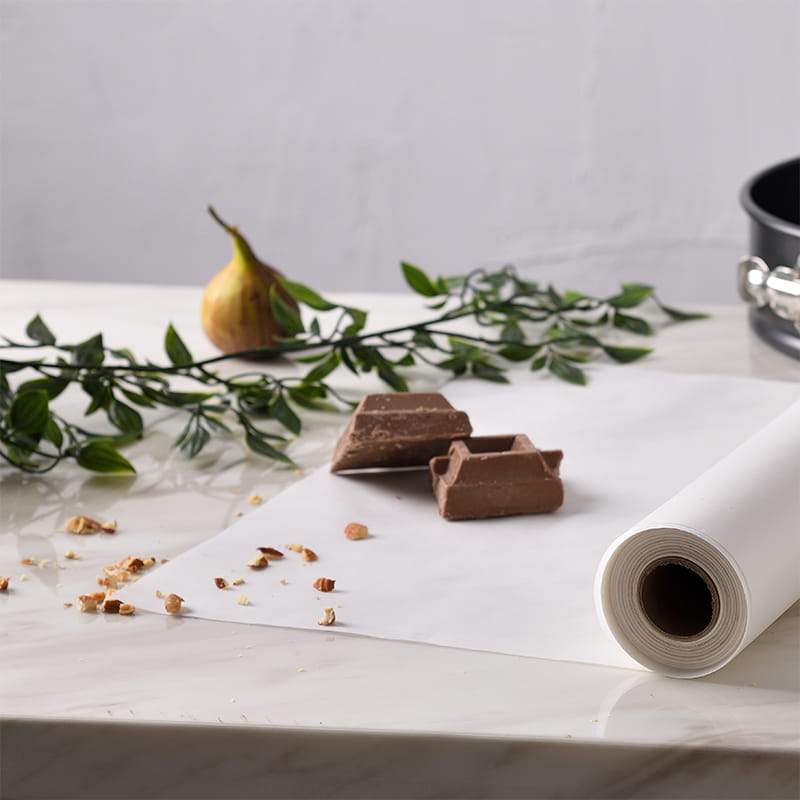
Product Features: 1. Virgin wood pulp 2. Double sides food grade silicone treated 3. Fluorine-free 4. Non-stick 5. Oven/Microwave safe 6. Freezer safe 7. Reusable 8. BPA ...
See Details -
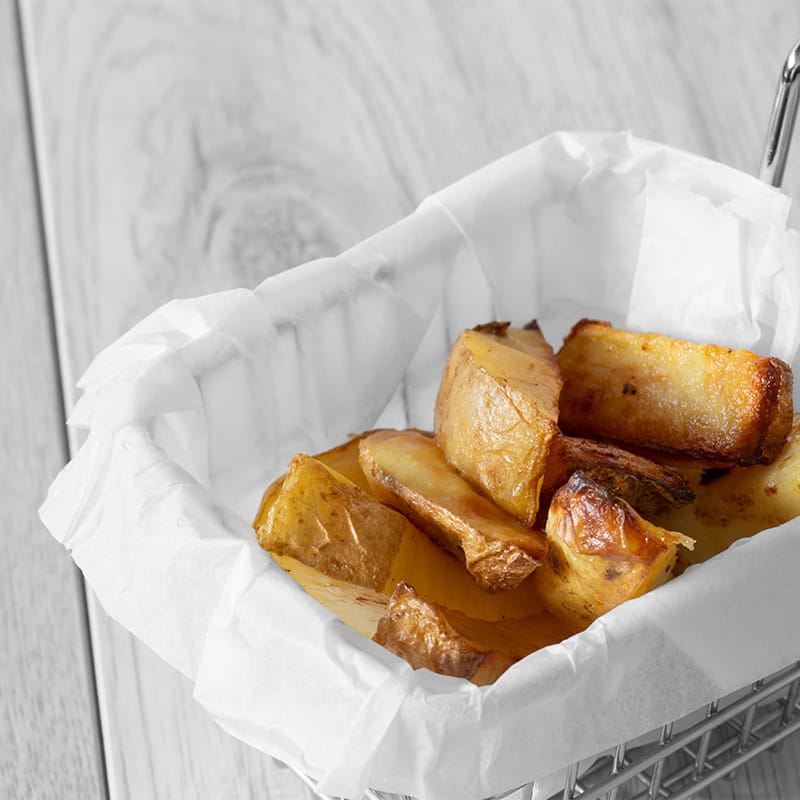
Product Features: 1. Virgin wood pulp 2. Fluorine-free 3. BPA free 4. Biodegradable Product Details: In an era where environmental consciousness and sustainability are paramount, Natu...
See Details -
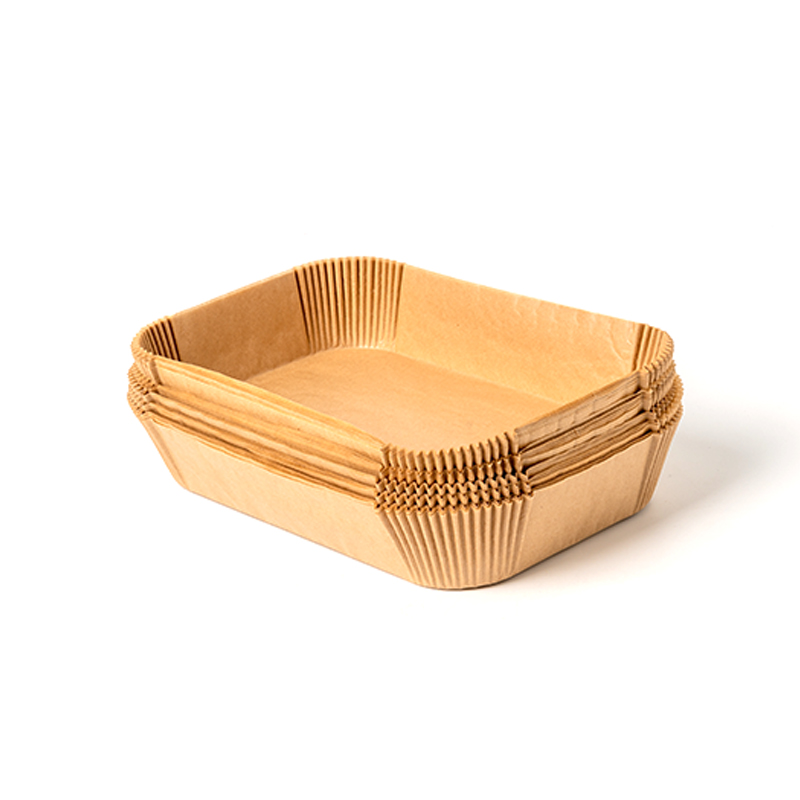
Product Features: 1. Virgin wood pulp 2. Double sides food grade silicone-treated 3. Fluorine-free 4. Non-stick 5. Air fryer basket safe 6. Reusable 7. BPA free 8. Biodeg...
See Details -

Product Features: 1. Virgin wood pulp 2. Natural unbleached brown color 3. Fluorine-free 4. BPA free 5. Biodegradable Product Details: Introducing our Unbleached Brown Food Grade ...
See Details -
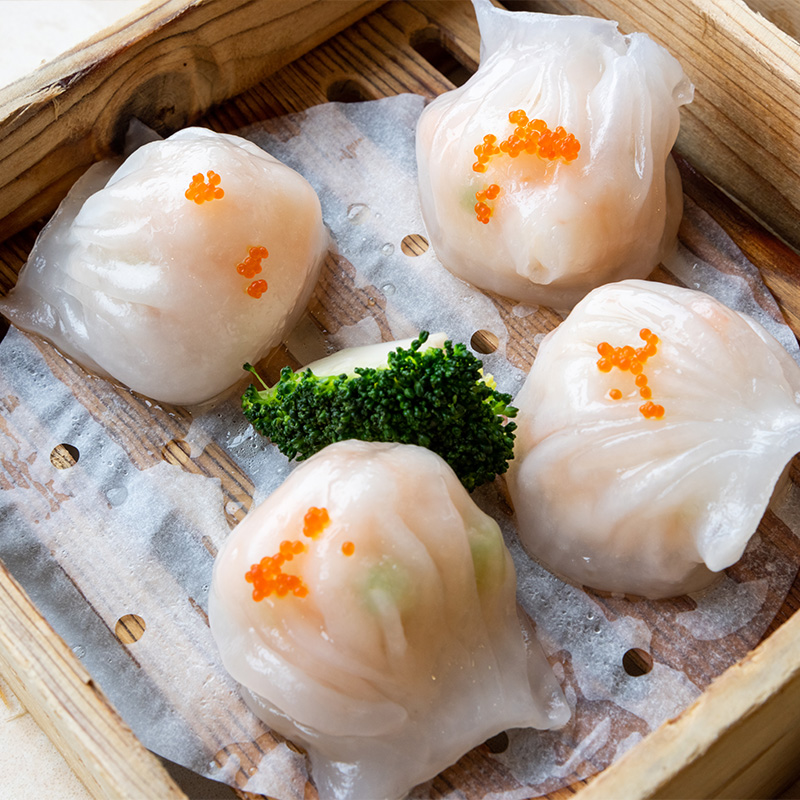
Product Features: 1. Virgin wood pulp 2. Double sides food grade silicone treated 3. Fluorine-free 4. Non-stick 5. Steamer/air fryer basket safe 6. Reusable 7. BPA free 8...
See Details -
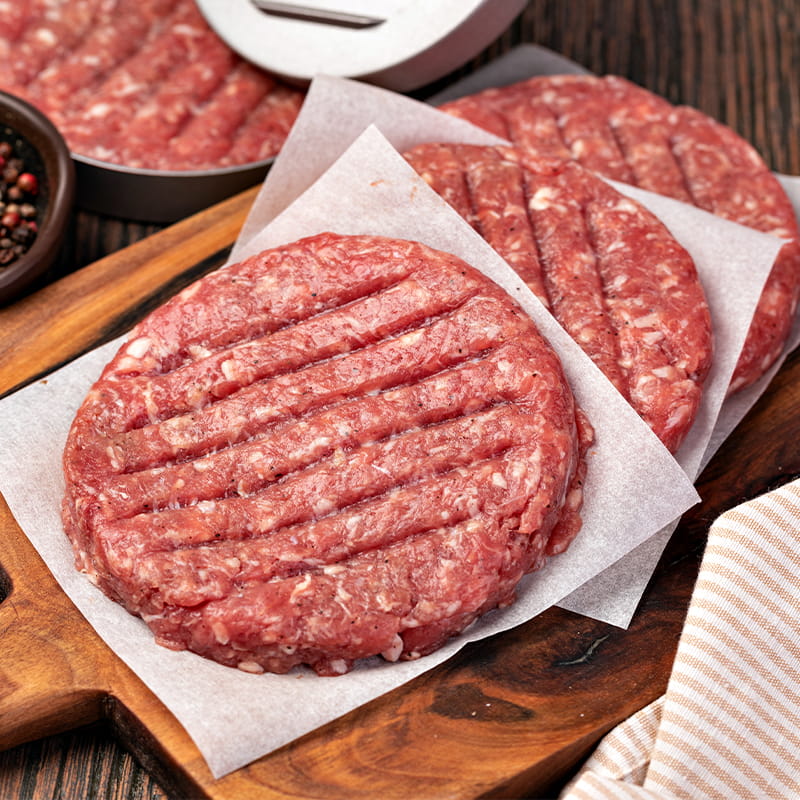
Product Features: 1. Virgin wood pulp 2. Double sides food grade silicone treated 3. Fluorine-free 4. Non-stick 5. Easy to separate 6. Reusable 7. BPA free 8. Biodegradab...
See Details -
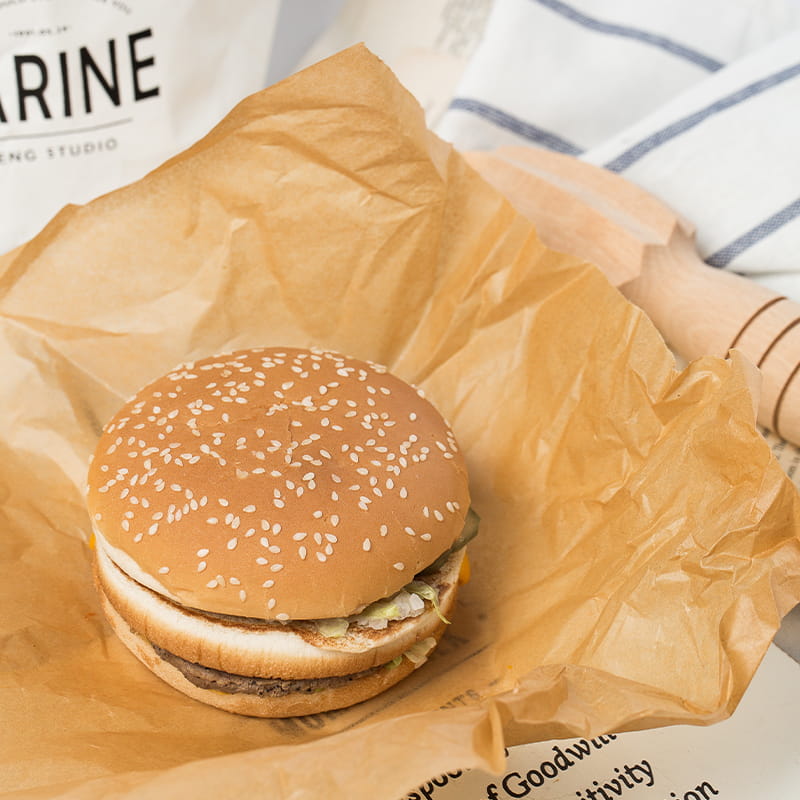
Product Features 1. Virgin wood pulp 2. Flexographic printing 3. Eco-friendly water-based ink 4. BPA free Product Details: Introducing our premium Greaseproof Sandwich Paper Sheets, a...
See Details

Professional Baking Parchment Paper Manufacturer in China with more than 15 years silicone coating experience.
Products
Contact Us
- No.10 Longyin Road, Chengnan Industrial Park,Longyou, Quzhou, China.
- +86-18968091013 / +86-571-88639705
- Avayao-1990@hotmail.com
Copyright © Zhejiang Guanghe New Materials Co., Ltd. All Rights Reserved.
Parchment Paper & Baking Paper Sheets Manufacturer
