 English
 中文简体
中文简体
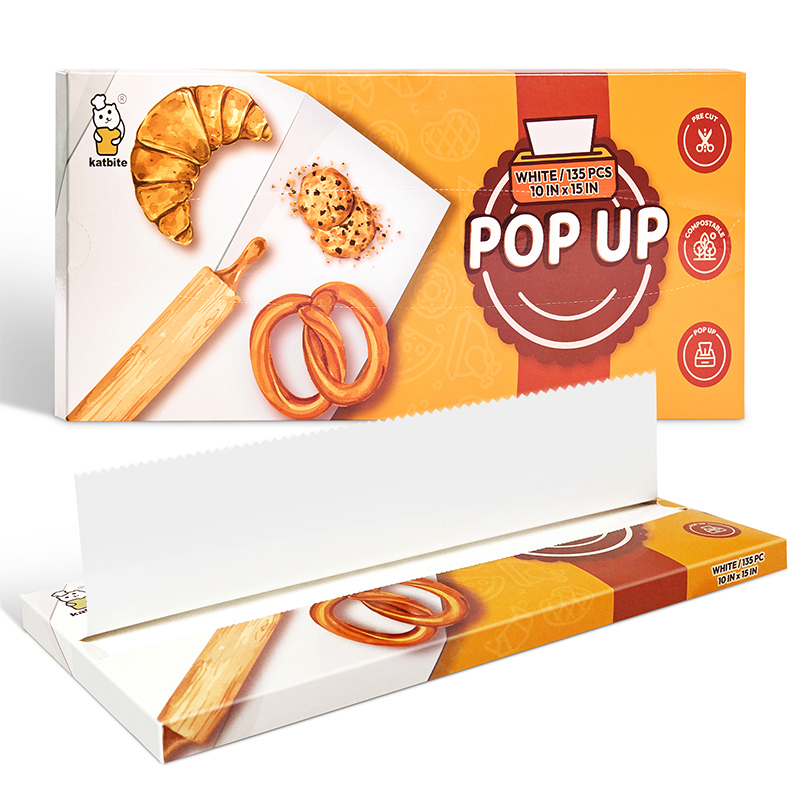
Pre Cut Baking Paper Sheets are made from wood pulp and coated on both sides with a food-safe silicone layer. This coating gives the paper a smooth, greaseproof, and moisture-resistant surface that su...
See DetailsHome / News / Industry News / Dim Sum Parchment Steamer Paper: The Essential Tool for Perfect Steaming
Dim Sum Parchment Steamer Paper: The Essential Tool for Perfect Steaming
Kitchens rely on tools that address everyday challenges in food preparation without introducing extra steps or variables. Dim Sum Parchment Steamer Paper serves this purpose in the context of steaming small portions. It creates a barrier that limits adhesion between food and equipment surfaces, supports steam movement, and contributes to the handling of items that require careful treatment during cooking. The paper has found a place in both traditional setups and modern routines where delicate steamed dishes form part of the menu.
What Dim Sum Parchment Steamer Paper Is
Dim sum parchment steamer paper consists of treated sheets developed for use in moist heat environments. The base material comes from plant fibers processed to gain resistance to temperature and moisture levels encountered in steaming. A surface treatment allows food to separate after cooking, while small openings distributed across many versions permit vapor to move through from below.
The openings help balance two needs: keeping food from direct contact with the steamer base and allowing circulation that reaches all sides of each portion. In setups without pre-made openings, cooks can add them by folding and trimming sheets in a standard pattern. The material stays flexible for shaping to fit different basket or tray sizes and holds its structure under the weight of arranged items.
| Aspect | Main Function / Benefit | How It Works / Solution | Practical Note |
|---|---|---|---|
| Perforations (openings) | Balance two needs | Prevent direct contact with steamer base + allow steam to reach all sides | Essential for even cooking and non-stick performance |
| Custom Perforations (when needed) | Add openings in plain sheets | Fold into layers → trim outer edge → cut small notches along folds → unfold | Creates uniform hole pattern quickly |
| Material Flexibility | Adapt to different equipment | Easily shaped to fit various basket/tray sizes | Suitable for bamboo, metal, or pot setups |
| Material Stability | Maintain position during cooking | Holds flat and secure under food weight | Ensures consistent steam flow throughout the process |
This design aligns with steaming methods that depend on vapor rather than direct liquid or dry heat. Food cooks in a contained moisture environment, and the paper helps manage condensation without allowing pooling or transfer of residues back to the equipment.
How the Practice of Using Such Paper Developed
The idea of separating food from steaming surfaces appears in various traditions where layered vessels have long been in use. Initial approaches involved natural barriers such as leaves or cloths placed in woven or slatted containers to limit sticking. As paper materials became available and treatable, processed sheets provided more reliable performance and easier handling.
In styles of cooking that feature small steamed portions, the need for consistent liners grew with the scale of preparation. Bamboo or similar baskets allow vapor to pass through their structure but can hold onto dough or fillings during cooking. A smooth layer addressed this by reducing loss from torn pieces and shortening the time needed for removal and cleaning.
Refinements in sheet treatment over time increased durability in humid conditions while maintaining suitability for food contact. Versions with openings became standard because they support even vapor distribution without requiring separate adjustments in every session. The development follows a common path for kitchen supports: starting from practical requirements and advancing through small changes that improve daily use.
Reasons the Paper Holds Value in Steaming
The paper contributes in several areas that affect preparation, results, and maintenance.
Limiting Adhesion During Cooking
Portions with thin coverings or soft centers can attach to steamer surfaces when exposed to vapor over time. This attachment raises the chance of damage when lifting them out. The paper forms an interface that allows removal without disruption. Shapes stay intact, folds remain in place, and contents hold together, supporting both the look of the dish and the experience of eating it.
In arrangements with multiple levels, the paper covers each layer. This separation keeps drips or bits from one level from reaching another, making placement and retrieval more direct.
Reducing Effort in Equipment Care
Steamer bases gather material from dough, moisture, or fillings when no liner is present. Cleaning these surfaces calls for soaking and manual work. With the paper in position, residues stay on the sheet and can be removed at the end of the cycle. The equipment then needs only rinsing, allowing quicker return to use.
This difference shows during sequences of batches, where shorter intervals between rounds support steady workflow. Preparations for shared meals gain from the shift in attention toward serving rather than tool upkeep.
Supporting Balanced Vapor Movement
Vapor needs access to every surface to produce uniform cooking. Openings in the paper let it rise directly under each item and surround the portions. Conditions stay steady across the load, with interiors reaching tenderness and exteriors gaining appropriate firmness at similar rates.
Cooks who form their own openings learn to space them in even, limited sizes for steady results. The sheet remains level beneath the arranged food, keeping the flow consistent for the full duration of cooking.
Allowing Cooking with Less Added Substance
Steaming works through vapor, and the release quality of the paper means no coating of oil or fat is required on the base. Items come away with flavors drawn from the ingredients. Condensation interacts with the paper by partial absorption or passage through openings, limiting excess dampness while keeping contents moist.
Approaches that emphasize ingredient character find this helpful, as it keeps the process centered on natural elements rather than added components.
Contributing to Texture Development
The paper helps create surroundings in which vapor works evenly around the food. Moisture stays within the portions rather than collecting below or leaving too quickly. Centers remain juicy, outer layers gain chew or firmness as needed, and overall character develops in a measured way. In some oven uses, the paper handles any released liquid to limit scorching while allowing surface changes.
Further Uses in Cooking and Storage
The paper lines surfaces for oven work where separation or moisture control adds value. Vegetables, proteins, or other items rest on it and lift cleanly. Methods that move from steaming to a short dry stage can keep the same sheet when sizes match.
For holding periods or movement, the paper wraps or divides portions to contain moisture without drawing it away excessively. Layers in storage stay separate until reheating or serving.
Steps for Preparing and Placing the Paper
Begin with measurement of the steamer base or tray area. Cut the sheet with a small margin for overlap to cover fully. When openings are needed, fold the sheet into successive layers to form a compact shape. Trim the outer part to match the required outline, then make small cuts along the folded lines. Opening the sheet reveals a pattern of holes.
Set the liner into the basket and smooth it. Place items with intervals between them to support vapor paths. The weight of the food keeps the sheet in position. After the cycle, allow a short time for cooling before lifting to limit any risk of tearing.
Dispose of the sheet following local rules, with many versions suited to composting systems. Store remaining paper in dry conditions to keep its qualities.
For separate support of items, cut smaller pieces and position one under each. This approach suits portions that gain from isolated contact. In basic pot arrangements, the folding sequence works in the same way.
| Step / Action | Description / Method | Purpose / Tip |
|---|---|---|
| Measure & Cut | Measure steamer base/tray; cut sheet with small overlap margin | Ensures full coverage without gaps |
| Create Perforations (if needed) | Fold sheet into compact layers → trim outer edge to circle → cut small notches along folds → unfold | Allows even steam flow; creates uniform hole pattern |
| Place Liner | Set liner in basket, smooth flat; arrange items with spacing between them | Supports vapor paths; food weight secures sheet |
| After Steaming | Allow brief cooling before lifting | Reduces risk of tearing the sheet |
| Disposal & Storage | Dispose per local rules (many are compostable); store unused paper in dry place | Maintains paper quality; eco-friendly option |
| Alternative: Individual Supports | Cut small separate pieces; place one under each item | Ideal for isolated portions or basic pot setups |
Addressing Common Placement Matters
Sizing questions appear from time to time. Extended edges may affect closure or flow; smaller cuts leave areas open. Checking the fit without food helps avoid these.
Fewer openings limit vapor reach, so additional small cuts can be added where needed. Close spacing of items reduces movement of vapor; gaps matched to portion size keep conditions even. In settings with higher vapor levels, minor timing shifts can manage condensation.
Fresh sheets for each use maintain release and cleanliness. Overlapping sections covers wider areas without gaps.
Application in Different Kitchen Contexts
Settings with higher volume use the paper to keep batches similar and move quickly between cycles. Portions reach service areas intact, supporting plating flow. Home spaces gain from reduced variables when testing preparations, as adhesion becomes less of a factor.
Group activities benefit from steps that can be described simply: fold, cut, set in place. These steps work across skill ranges, and the paper directs focus toward the food and its seasoning.
Extension to Other Cooking Approaches
The paper supports vapor-based methods in a range of styles. Wrapped proteins, vegetable groups, or filled layers gain from the separating layer. Placement changes with folding or seasoning choices, yet the core function of controlled separation stays consistent.
This range fits kitchens that combine elements from different sources, giving a steady element amid varied seasoning directions.
Gains in Regular Use
Steady inclusion forms patterns of efficiency. Time after cooking shortens, opening space for arrangement or accompaniments. Vapor control helps items hold during service windows.
Lighter cooking fits into routines more readily, matching different needs within households. Over periods of use, attention to how surfaces affect outcomes grows, influencing other preparation decisions.
Alignment with Resource Considerations
The paper comes from plant sources and often breaks down in composting conditions. Single use reduces the cleaning load on reusable surfaces, lowering water and cleaning substance needs across cycles.
Cuts matched to equipment size limit leftover material. In shared or larger operations, the combined effect on resource handling appears in reduced cycles of maintenance. It offers a choice that fits within routines attentive to balance.
Developments in Related Materials
Treatment methods continue to address permeability, hold, and release qualities. Attention to resource factors shapes further changes. The paper remains an instance of straightforward function that holds value amid evolving options.
Practices for Steady Outcomes
Keep intervals for vapor paths. Extend coverage past food areas slightly. Verify placement without load first. Keep unused portions sealed and dry.
Changes to opening patterns or sheet sizes adjust for particular equipment. Repeated sessions build recognition of timing signals.
Compatibility with Equipment
Woven baskets pair with the breathable nature of the paper. Metal or powered steamers show less accumulation. Oven surfaces accept the liner without changes to initial heating. The flexibility works across mixed sets of tools.
Why Choose Guanghe
Zhejiang Guanghe New Materials Co., Ltd. has built its reputation on producing food-grade parchment steamer paper that meets the real-world needs of both traditional dim sum preparation and everyday lighter cooking.
With careful attention to uniform perforation patterns, dependable non-stick surfaces, and compliance with food safety standards, their sheets help preserve the shape, texture, and flavor of each item while making the entire process—from setup to cleanup—noticeably smoother.
By choosing Guanghe, home cooks and professionals gain a quiet partner that supports creativity in the kitchen, encourages sustainable habits through reduced cleaning demands, and keeps the focus where it belongs: on the ingredients and the shared enjoyment of well-made food.
Related Products
-
-
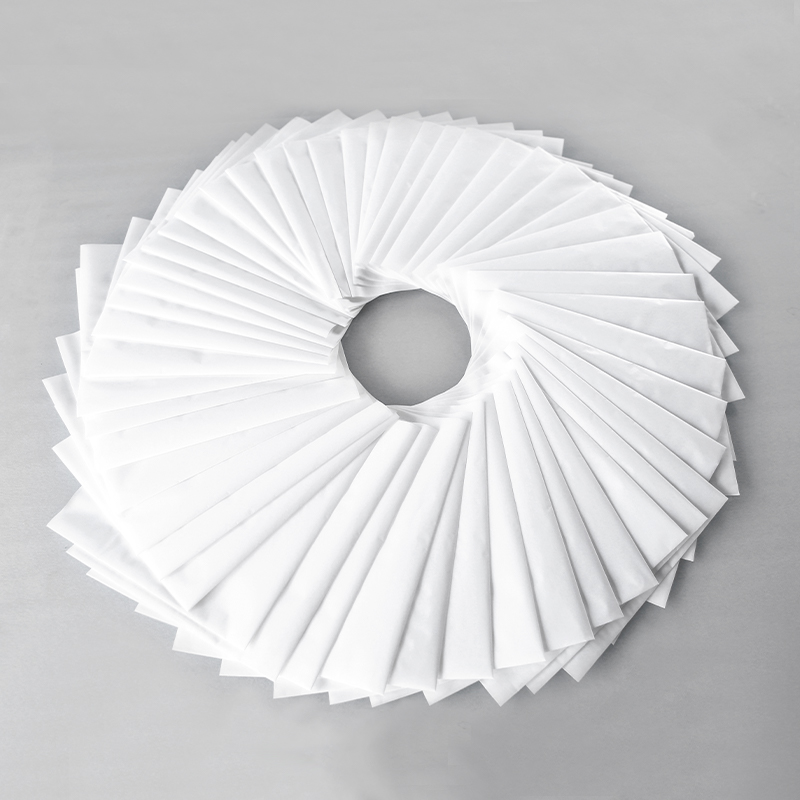
Folded Baking Paper Sheets, also known as Non Stick Baking Paper Sheets, are made from wood pulp and coated on both sides with a food-safe silicone layer. This coating gives the paper a smooth, grease...
See Details -
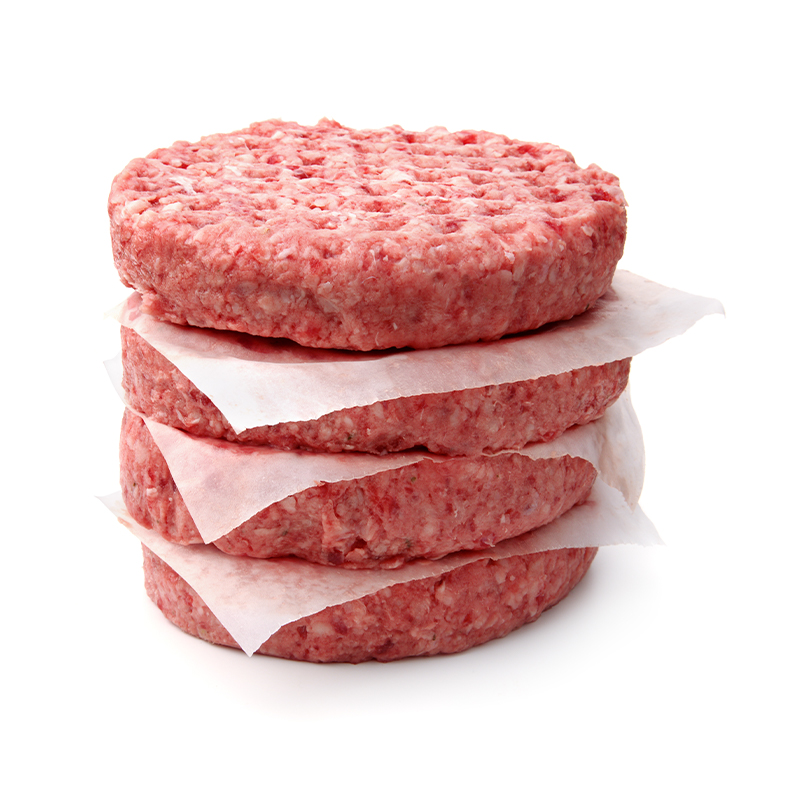
Description: Wax paper is the paper that is coated with food-grade wax in order to make it non-stick and waterproof. wax paper is very good for food storing and presentingMade of food-grade paper and ...
See Details -
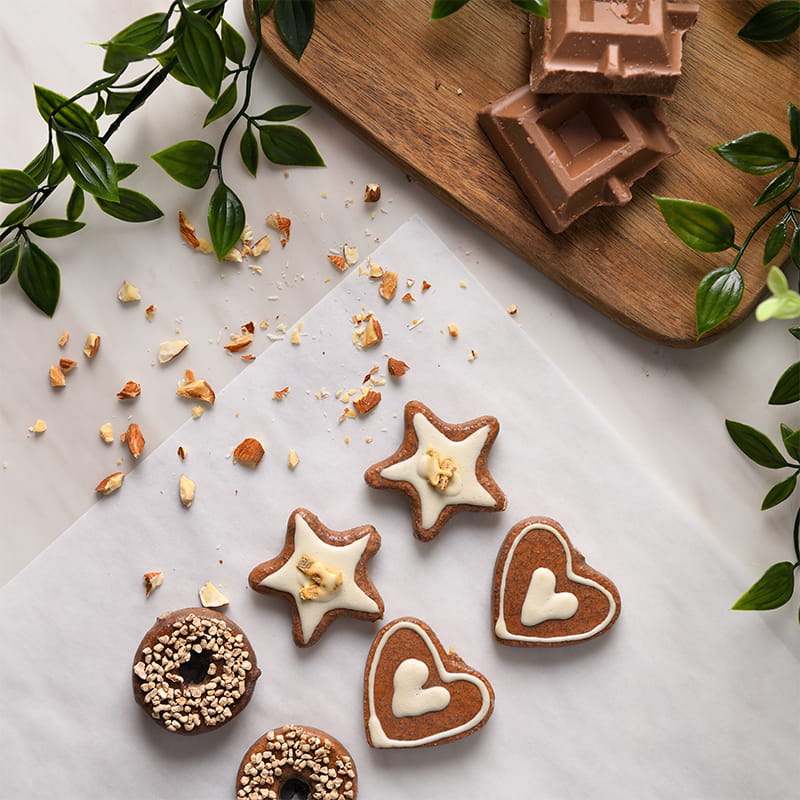
Product Features: 1. Virgin wood pulp 2. Double sides food grade silicone-treated 3. Fluorine-free 4. Non-stick 5. Oven/Microwave safe 6. Freezer safe 7. Reusable 8. BPA f...
See Details -
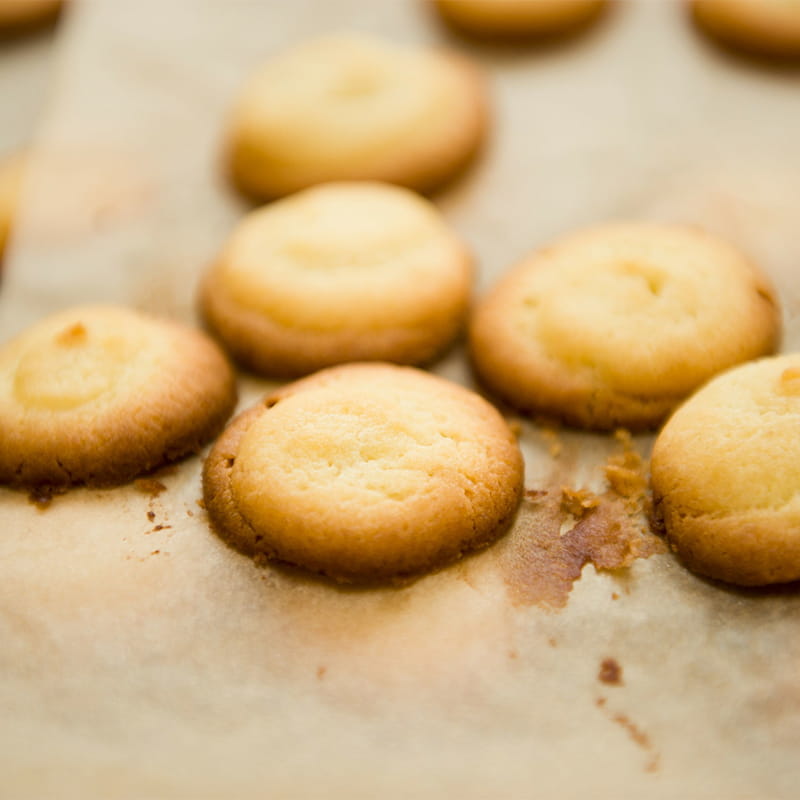
Product Features: 1. Virgin wood pulp 2. Natural unbleached brown color 3. Double sides food grade silicone-treated 4. Fluorine-free 5. Non-stick 6. Oven/Microwave safe 7. Fre...
See Details -
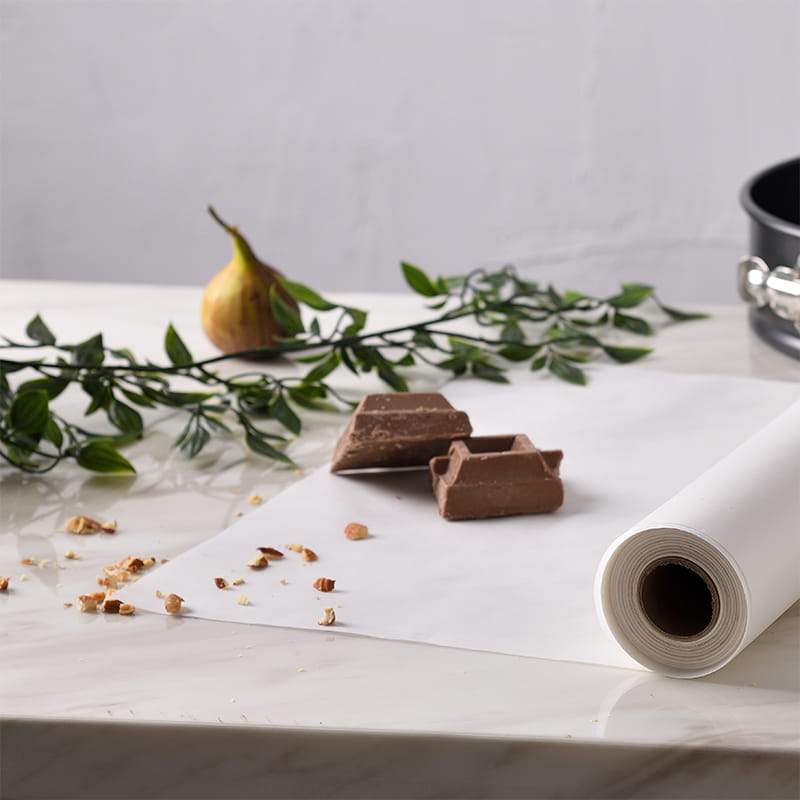
Product Features: 1. Virgin wood pulp 2. Double sides food grade silicone treated 3. Fluorine-free 4. Non-stick 5. Oven/Microwave safe 6. Freezer safe 7. Reusable 8. BPA ...
See Details -
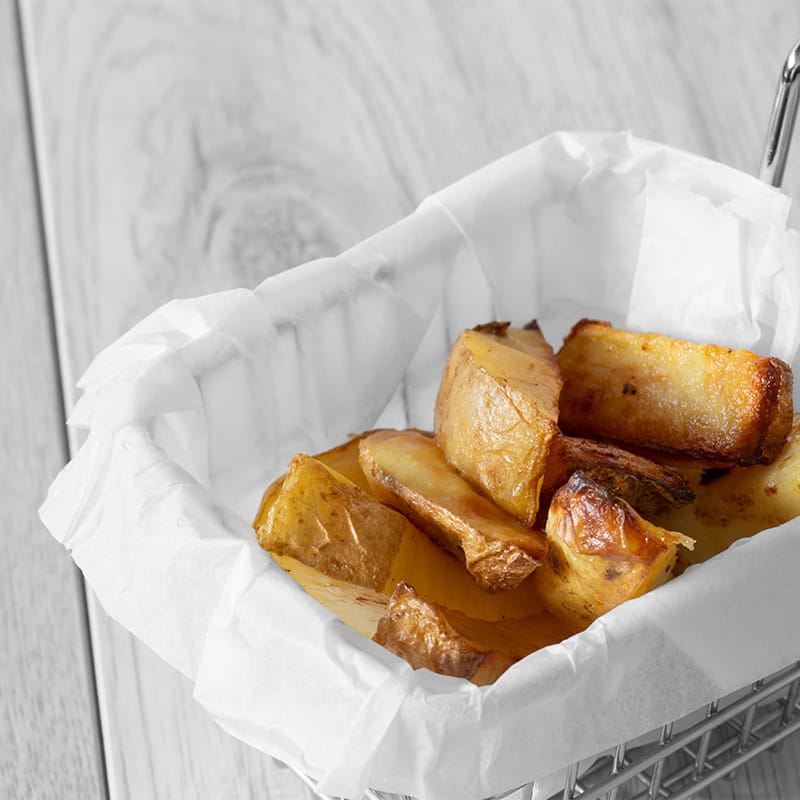
Product Features: 1. Virgin wood pulp 2. Fluorine-free 3. BPA free 4. Biodegradable Product Details: In an era where environmental consciousness and sustainability are paramount, Natu...
See Details -
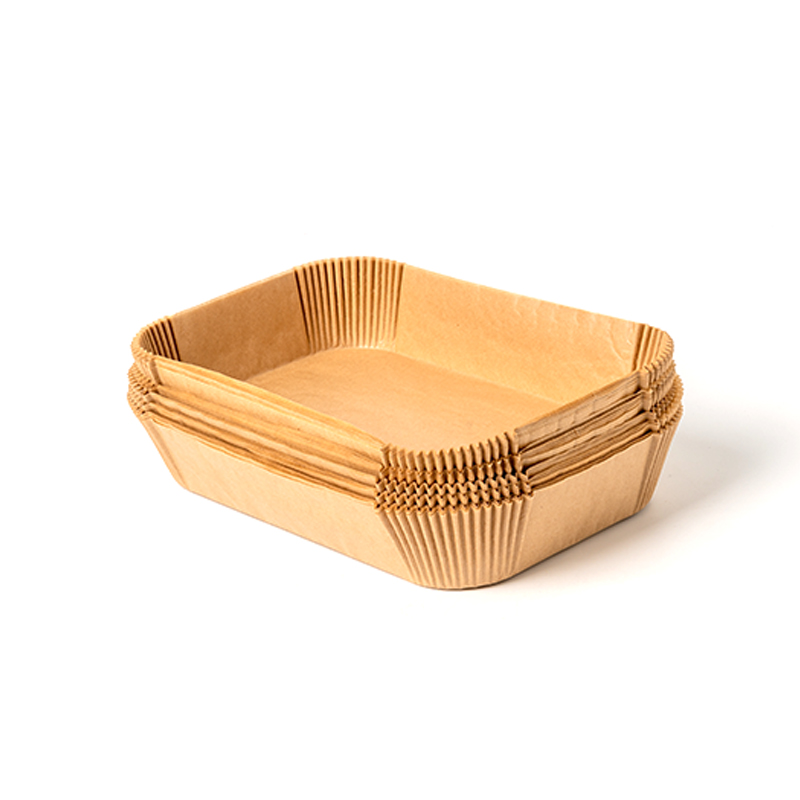
Product Features: 1. Virgin wood pulp 2. Double sides food grade silicone-treated 3. Fluorine-free 4. Non-stick 5. Air fryer basket safe 6. Reusable 7. BPA free 8. Biodeg...
See Details -

Product Features: 1. Virgin wood pulp 2. Natural unbleached brown color 3. Fluorine-free 4. BPA free 5. Biodegradable Product Details: Introducing our Unbleached Brown Food Grade ...
See Details -
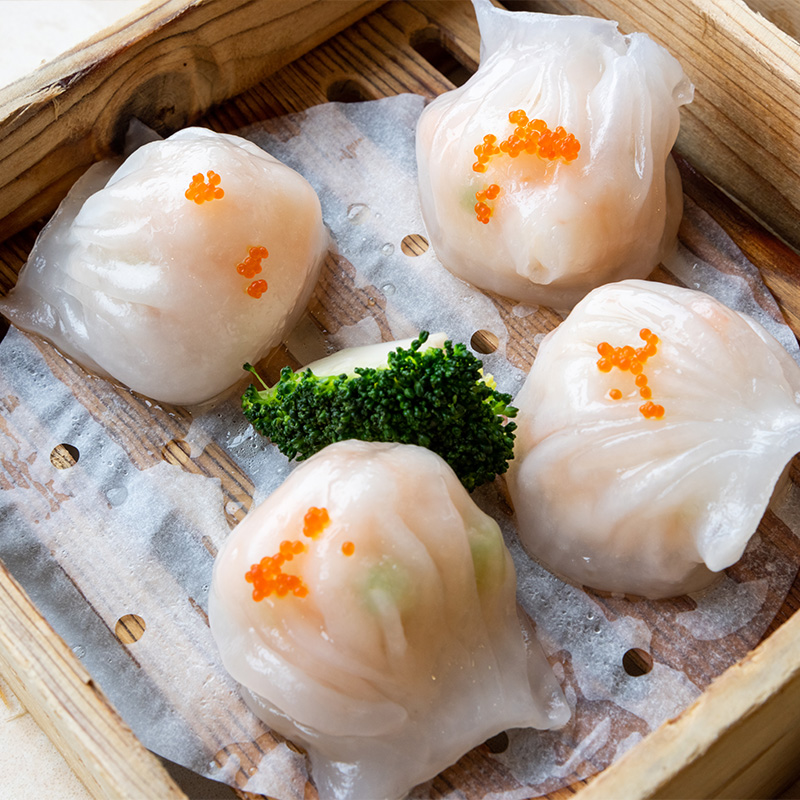
Product Features: 1. Virgin wood pulp 2. Double sides food grade silicone treated 3. Fluorine-free 4. Non-stick 5. Steamer/air fryer basket safe 6. Reusable 7. BPA free 8...
See Details -
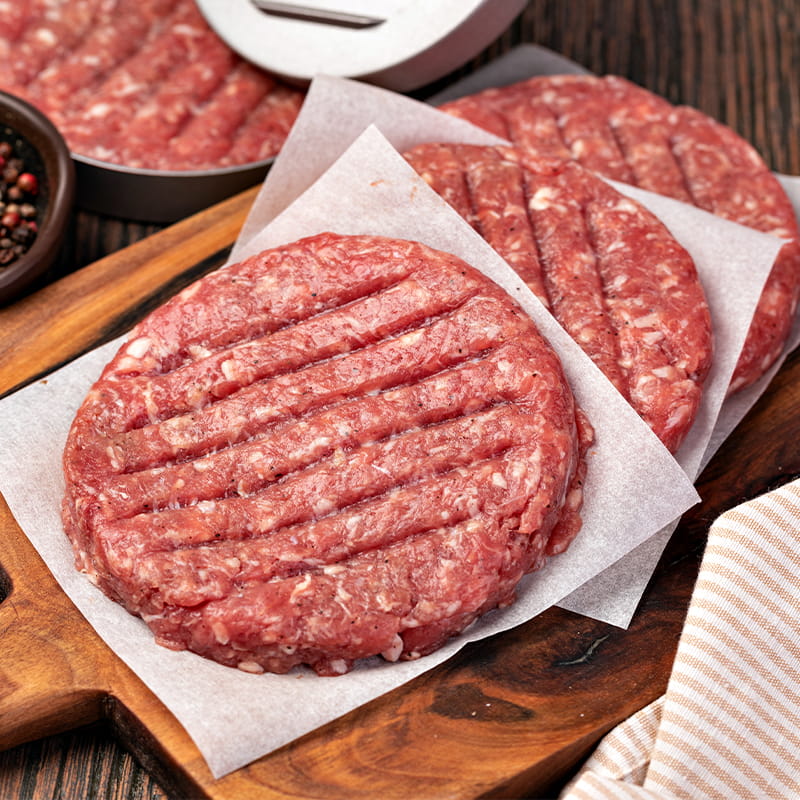
Product Features: 1. Virgin wood pulp 2. Double sides food grade silicone treated 3. Fluorine-free 4. Non-stick 5. Easy to separate 6. Reusable 7. BPA free 8. Biodegradab...
See Details -
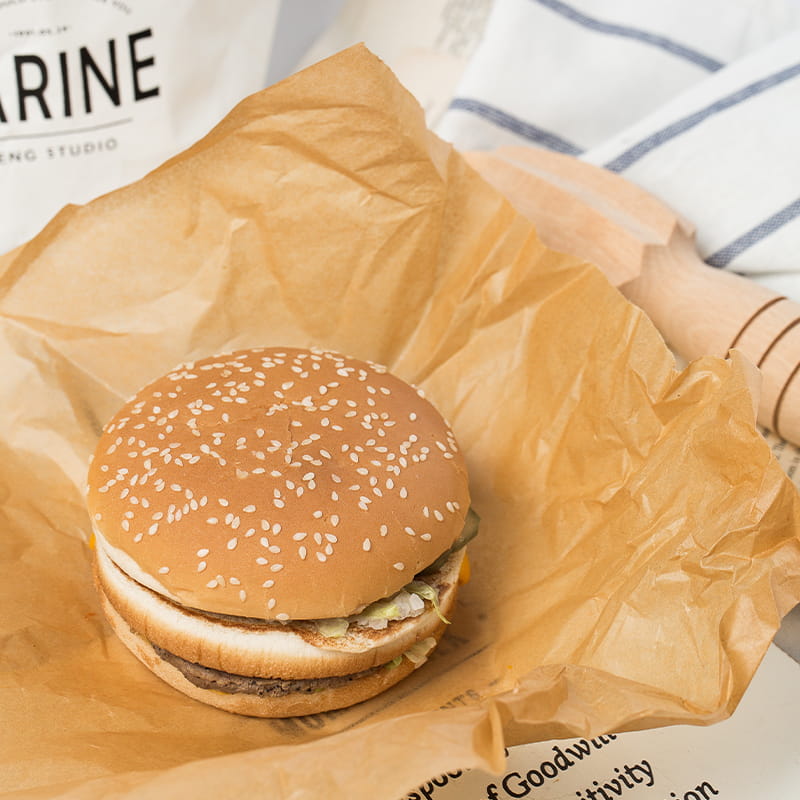
Product Features 1. Virgin wood pulp 2. Flexographic printing 3. Eco-friendly water-based ink 4. BPA free Product Details: Introducing our premium Greaseproof Sandwich Paper Sheets, a...
See Details

Professional Baking Parchment Paper Manufacturer in China with more than 15 years silicone coating experience.
Products
Contact Us
- No.10 Longyin Road, Chengnan Industrial Park,Longyou, Quzhou, China.
- +86-18968091013 / +86-571-88639705
- Avayao-1990@hotmail.com
Copyright © Zhejiang Guanghe New Materials Co., Ltd. All Rights Reserved.
Parchment Paper & Baking Paper Sheets Manufacturer
