 English
 中文简体
中文简体
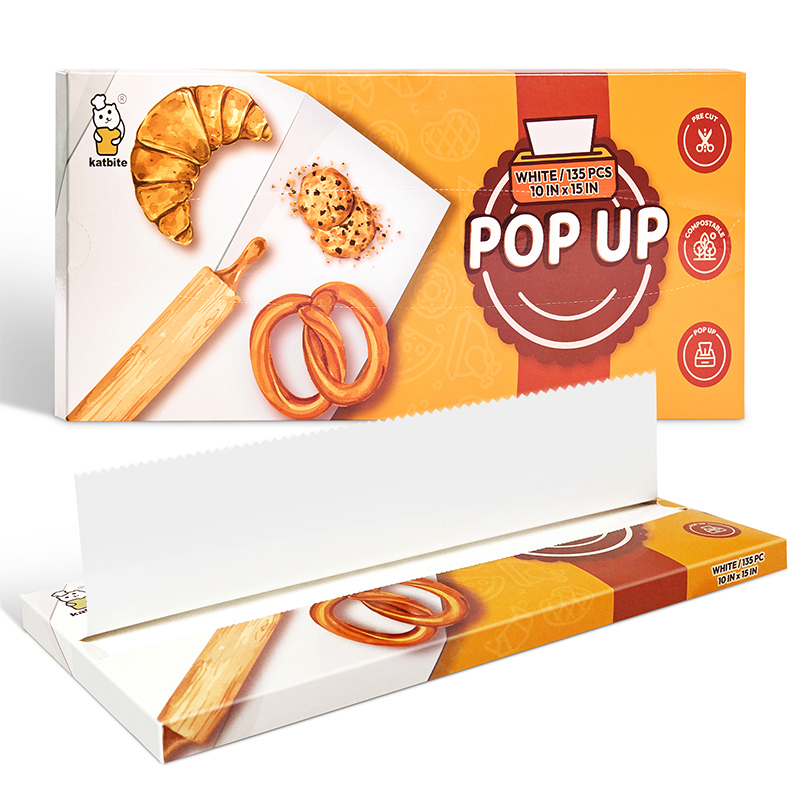
Product details: Pop-up parchment paper sheets, an environment-friendly product, are composed of wood pulp and are double-side coated with silicone. Such a coating makes our paper smooth, greasepr...
See DetailsDim Sum Parchment Paper: The Unsung Hero in Culinary Excellence
Kitchens depend on straightforward tools that solve specific problems without adding complexity. Dim Sum Parchment Paper fits this role precisely. It addresses the tendency of steamed foods—particularly those with dough wrappers or soft fillings—to adhere to steamer surfaces. By creating a smooth, releasable barrier, the paper helps portions come away intact while permitting steam to circulate effectively. This simple addition has become common in setups ranging from traditional bamboo baskets to basic pot-and-rack arrangements.
The Nature of the Paper
Dim sum parchment paper consists of cellulose-based sheets treated for resistance to heat, moisture, and grease. The treatment produces a surface from which cooked items separate cleanly. Many versions feature small, evenly distributed perforations—tiny openings throughout the sheet. These holes allow steam to rise from beneath the food, surrounding each portion during cooking.
Without sufficient openings, steam might fail to reach the underside adequately, resulting in uneven texture or damp bottoms. The perforations maintain balance: the paper prevents direct contact and sticking, while the holes ensure vapor flow. When perforated sheets are unavailable, cooks frequently adapt plain parchment by adding their own holes through folding and cutting techniques.
The material remains lightweight and flexible, easy to trim or fold to match equipment dimensions. It withstands the humid, warm conditions typical of steaming without disintegrating or transferring unwanted elements to the food. This combination of properties makes it suitable for gentle cooking methods that rely on moisture rather than direct heat or oil.
Historical Context and Development
The practice of placing a barrier between food and steaming surfaces has existed for generations in various culinary traditions. Early methods used available natural materials—leaves, cloths, or other plant-based items—to prevent adhesion in woven or perforated vessels. As paper production became more widespread and treatable, processed sheets offered greater consistency, hygiene, and convenience.
In regions where small steamed portions form an important part of meals, the demand for reliable liners increased. Bamboo steamers, valued for their natural steam permeability, posed a challenge: their slatted bases allowed vapor circulation but often captured dough or fillings. A smooth, non-adhering layer resolved this, reducing loss from torn wrappers and simplifying removal after cooking.
Over time, refinements in processing improved the paper's durability in moist heat. Treatments enhanced release qualities while keeping the material food-safe. Perforated designs emerged as a practical standard, eliminating the need for manual hole creation in every session. The progression illustrates a pattern seen in many kitchen aids: beginning with necessity, then evolving through incremental improvements to better serve everyday preparation.
Core Advantages in Steaming
Preventing Adhesion and Preserving Form
Delicate items such as thin-wrapped dumplings, filled buns, or open parcels can bond to steamer bases during cooking. Removal then risks tearing dough or displacing fillings. The paper supplies a clean interface, allowing portions to lift away whole. Shapes hold their structure, pleats stay defined, and fillings remain contained—qualities that contribute to both visual appeal and eating satisfaction.
In multi-level steamers, the paper lines each tier, preventing drips from upper layers from affecting those below or causing items to merge. Spacing becomes straightforward when nothing clings unexpectedly.
Streamlining Cleanup
Steamer surfaces accumulate residues—bits of dough, oils, or leaked fillings—when used without protection. Cleaning slatted bamboo or perforated metal involves soaking and scrubbing. With the paper present, material stays on the sheet, which discards afterward. The equipment requires only a light rinse, ready for subsequent use.
This efficiency stands out during batch cooking, where delays between rounds disrupt flow. Home preparations for family or small groups benefit from the reduced effort, shifting focus back to serving rather than maintenance.
Promoting Uniform Steam Distribution
Steam must reach all surfaces for even cooking. Perforations permit vapor to pass upward directly beneath each item, enveloping portions from every side. Without adequate openings, lower areas might cook more slowly or retain excess moisture. The distributed holes create consistent conditions, supporting tender interiors and appropriate exterior textures across the batch.
Those who prepare custom liners learn to create even patterns—small, numerous holes spread uniformly—for reliable performance. The paper stays flat under food weight, preserving circulation throughout the duration.
| Aspect | Role / Benefit | Consequence if Inadequate | Practice for Custom Liners |
|---|---|---|---|
| Steam Circulation | Allows vapor to rise directly under each item | Lower areas cook slowly or stay too moist | — |
| Perforations (holes) | Enables even envelopment from all sides | Uneven texture / damp bottoms | Small, numerous, uniformly distributed |
| Overall Cooking Consistency | Creates stable conditions across the batch | Inconsistent tender interiors & textures | — |
| Paper Stability During Use | Stays flat under food weight | Maintains reliable circulation throughout | — |
Facilitating Reduced-Fat Cooking
Steaming inherently uses vapor as the cooking medium. The non-stick characteristic eliminates the need to brush oil or fat onto the base for release. Dishes emerge lighter, with flavors derived primarily from ingredients themselves. Condensation interacts with the paper in a controlled manner: some absorbs, while excess escapes through openings, avoiding sogginess while retaining juiciness.
This suits approaches that prioritize natural taste and balanced nutrition, allowing moisture and heat to work without supplementary elements.
Contributing to Texture and Moisture Outcomes
The paper fosters an environment where steam interacts gently with food. Moisture concentrates within the dish rather than pooling below or dissipating excessively. Fillings stay succulent, wrappers develop a satisfying chew, and textures form gradually. In occasional baking applications, it manages released juices, preventing scorching on the bottom while permitting even browning or crisping.
Extended Applications
Beyond steaming, the paper lines trays or pans for oven tasks where release or moisture containment proves useful. Vegetables, proteins, or pastries benefit from the barrier, lifting cleanly afterward. In techniques that combine steaming with brief dry-heat finishing, the same sheet can continue through stages if sized appropriately.
For temporary holding or transport, the paper separates or wraps portions, managing moisture without excessive absorption. Refrigerated layers stay distinct until needed.
Preparation and Application Steps
Measure the steamer base or tray first. Cut the paper slightly larger for overlap, ensuring complete coverage. For plain sheets needing perforations, fold into a tight triangle or wedge: start by halving, quartering, then continuing folds until narrow. Align the point with the center, trim the outer edge into a curve for a circular fit, then cut small notches along folded sides. Unfold to expose distributed holes.
Place the liner in the basket, smoothing flat. Arrange items with gaps between them—steam requires pathways. Food weight secures the sheet; additional fixing is rarely necessary.
After steaming, permit brief cooling before removal to minimize tearing. Dispose of the used liner per local guidelines, often suitable for composting. Keep unused paper dry to preserve condition.
For individual support, cut small squares and position one beneath each portion—useful for buns or dumplings that gain from isolated placement. In improvised pot setups, the same folding and cutting method adapts readily.
Handling Frequent Issues
Fit problems occur periodically. Overhangs can hinder lid sealing or disrupt flow; undersized pieces leave exposed sticking zones. Measure accurately and dry-test placement beforehand.
Limited perforations restrict steam—add more small openings if necessary. Overcrowding blocks circulation; maintain spacing matched to portion size. High-humidity conditions may require slight timing adjustments to manage condensation.
Use fresh sheets each session for consistent release and cleanliness. Overlap pieces when covering larger areas.
Use in Varied Settings
Production environments value the paper for batch uniformity and rapid transitions. Portions transfer smoothly to service, aiding plating pace. Home kitchens find it helpful for recipe trials, minimizing sticking as a variable.
Communal cooking benefits from easy-to-follow instructions—fold, trim, position—that suit different experience levels. The paper stays neutral, directing attention toward ingredients and method.
| Kitchen Setting | Main Benefits | Key Advantages |
|---|---|---|
| Production Environments | Batch uniformity & rapid transitions | Smooth transfer to service, faster plating pace |
| Home Kitchens | Helpful for recipe trials | Minimizes sticking as a variable |
| Communal Cooking | Easy-to-follow instructions | Fold-trim-position method suits all experience levels; keeps focus on ingredients & technique |
Adaptation Across Styles
Though associated with particular traditions, the paper supports gentle steaming in diverse approaches. Wrapped fish, bundled vegetables, or filled doughs from various backgrounds benefit from the barrier. Adjustments accommodate folding or seasoning differences, while separation remains central.
This versatility suits mixed-influence kitchens, offering a steady aid regardless of flavor direction.
Routine Gains Over Time
Incorporation creates reliable patterns. Cleanup shortens regularly, allowing emphasis on assembly or sides. Moisture handling aids holding quality during service.
Lighter preparations integrate naturally, fitting varied dietary needs. Awareness of surface effects on results grows, guiding choices elsewhere in cooking.
Resource Alignment
Plant-derived and frequently compostable, the paper supports breakdown in suitable systems. Single-use lowers cleaning demands on reusables, reducing water and detergent cycles.
Sizing cuts to equipment limits excess. In shared or scaled kitchens, collective savings in resources become evident. It represents a functional choice within balanced approaches.
Tool Evolution
Processing advances focus on permeability, strength, and release. Sustainable considerations influence development. The paper endures as an example of effective simplicity.
Preparation Examples
Line the base for dumplings, space evenly, steam until wrappers clarify, lift away. Buns or vegetable items use comparable placement, timing adjusted for content.
Oven placements allow vegetables or proteins to rest on the liner, juices concentrating cleanly. Multi-phase recipes maintain the sheet across steps when feasible.
Consistent Practices
Ensure spacing for vapor movement. Extend coverage beyond food slightly. Confirm fit dry before loading. Seal remnants dry for storage.
Adjustments to hole patterns or dimensions tailor results to specific equipment. Repetition develops intuitive understanding.
Equipment Fit
Bamboo aligns with breathability. Metal or electric models see reduced buildup. Oven trays accept without alteration. Adaptability suits diverse collections.
Meal Structure Support
Schedule steamed batches, pre-cutting liners for efficiency. Separated portions store conveniently for reheating. Organization accommodates variety and time.
Group cooking uses prepared sheets to coordinate shared tools.
Why Choose Guanghe
As kitchens continue to embrace versatile, reliable solutions for everyday cooking challenges, companies like Zhejiang Guanghe New Materials Co., Ltd. play a meaningful role in supporting these practices.
Drawing on decades of accumulated experience in food-grade paper production, the company delivers silicone-coated parchment and steaming papers that align seamlessly with the demands of both traditional dim sum preparation and contemporary lighter cooking methods. Their focus on consistent quality, food safety compliance, and adaptable formats ensures that home cooks and professionals alike can rely on tools that enhance efficiency without compromising results.
Related Products
-
-
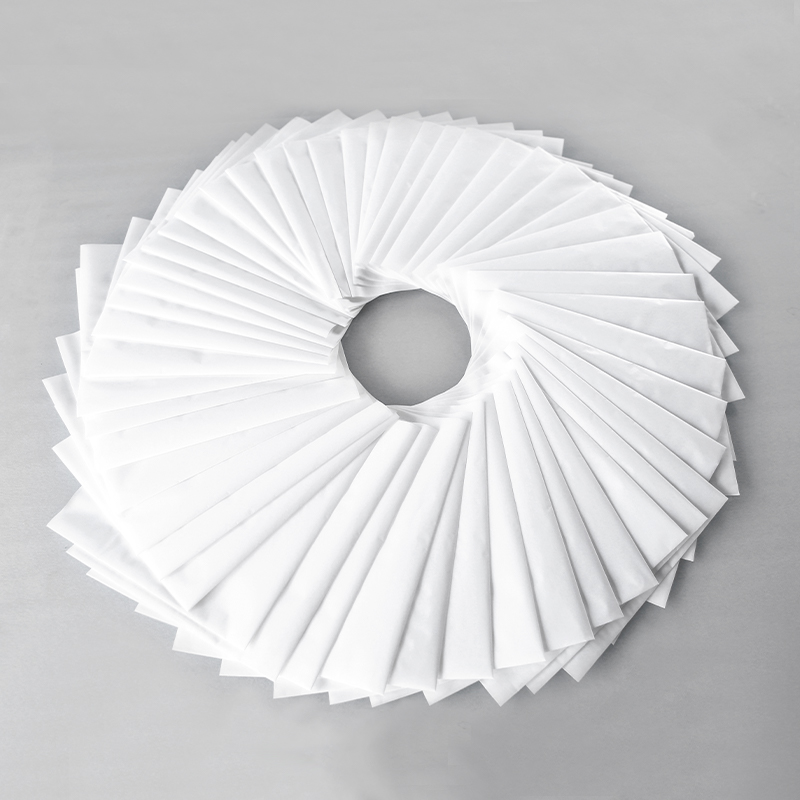
Product details: Folded baking paper sheets, an environment-friendly product, are composed of wood pulp and are double-side coated with silicone. Such a coating makes our paper smooth, greaseproof and...
See Details -
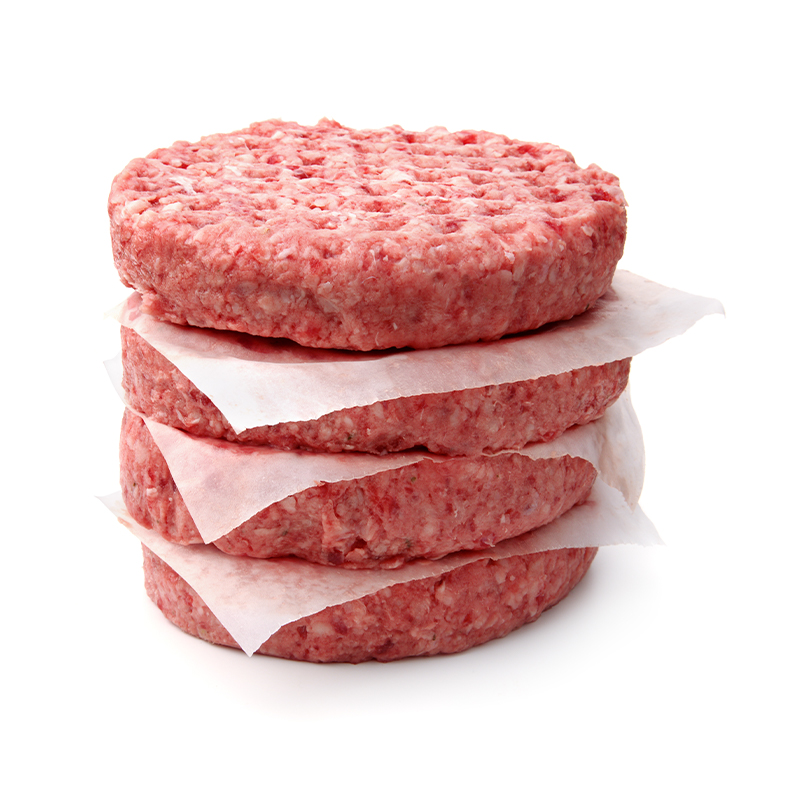
Description: Wax paper is the paper that is coated with food-grade wax in order to make it non-stick and waterproof. wax paper is very good for food storing and presentingMade of food-grade paper and ...
See Details -
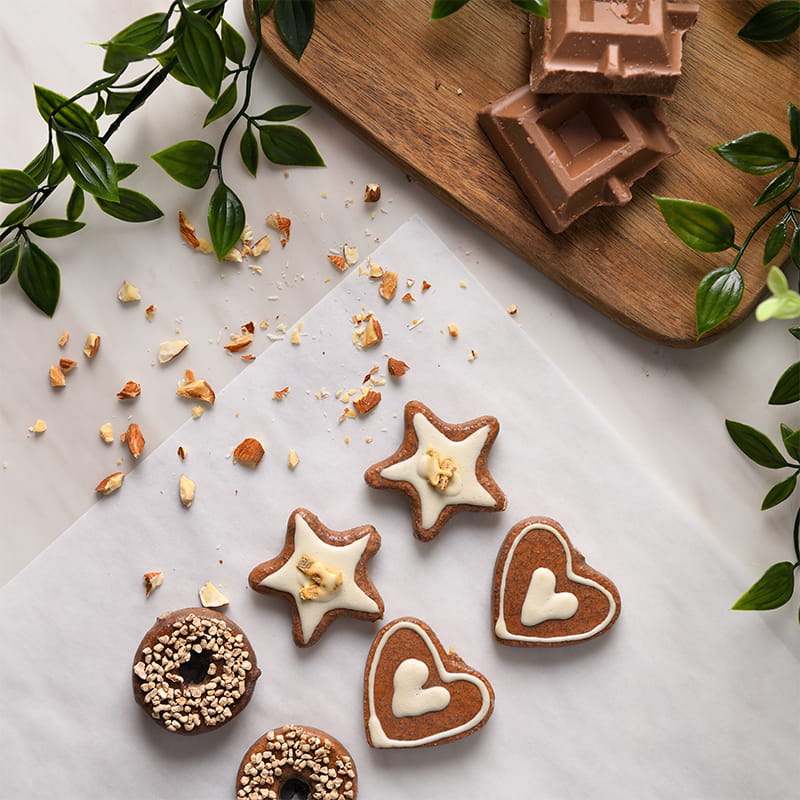
Product Features: 1. Virgin wood pulp 2. Double sides food grade silicone-treated 3. Fluorine-free 4. Non-stick 5. Oven/Microwave safe 6. Freezer safe 7. Reusable 8. BPA f...
See Details -
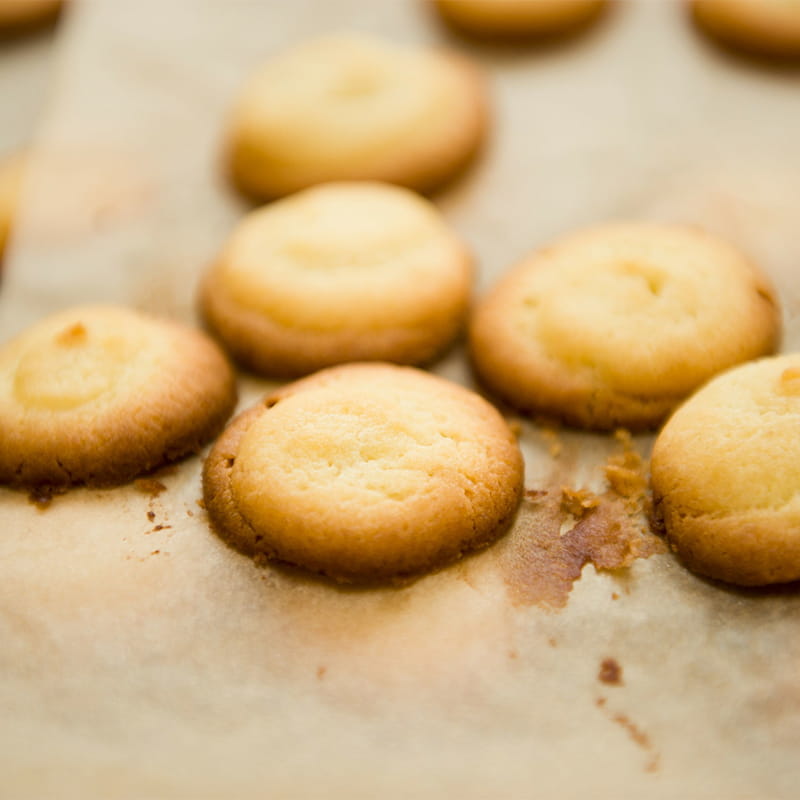
Product Features: 1. Virgin wood pulp 2. Natural unbleached brown color 3. Double sides food grade silicone-treated 4. Fluorine-free 5. Non-stick 6. Oven/Microwave safe 7. Fre...
See Details -
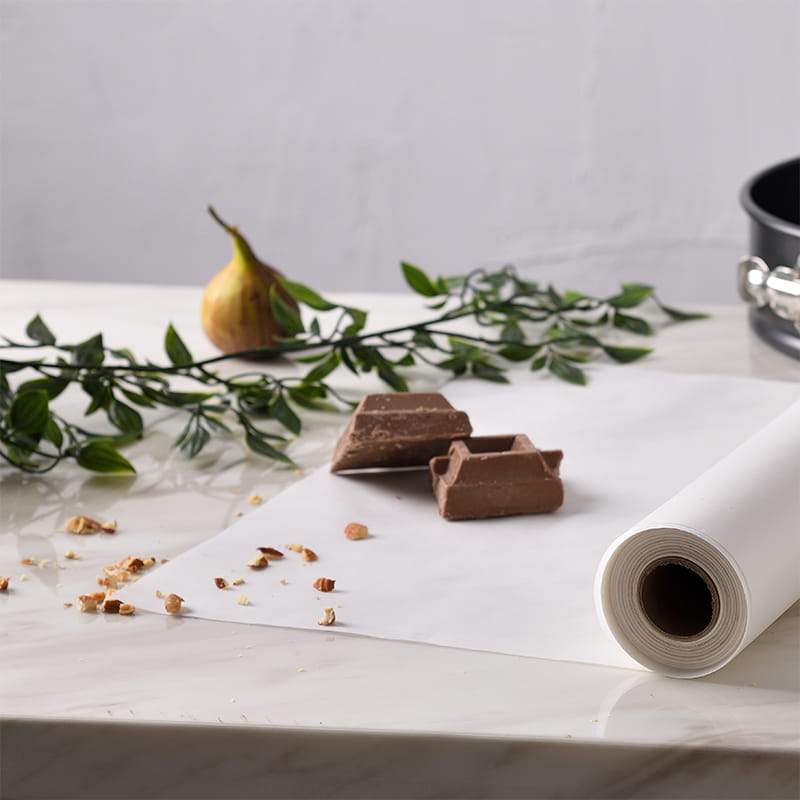
Product Features: 1. Virgin wood pulp 2. Double sides food grade silicone treated 3. Fluorine-free 4. Non-stick 5. Oven/Microwave safe 6. Freezer safe 7. Reusable 8. BPA ...
See Details -
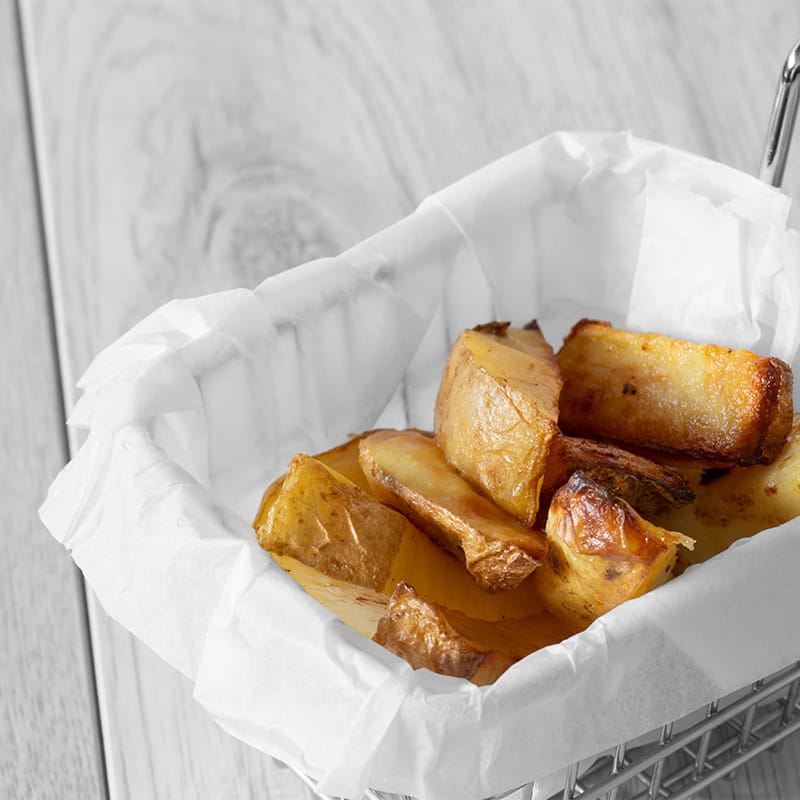
Product Features: 1. Virgin wood pulp 2. Fluorine-free 3. BPA free 4. Biodegradable Product Details: In an era where environmental consciousness and sustainability are paramount, Natu...
See Details -
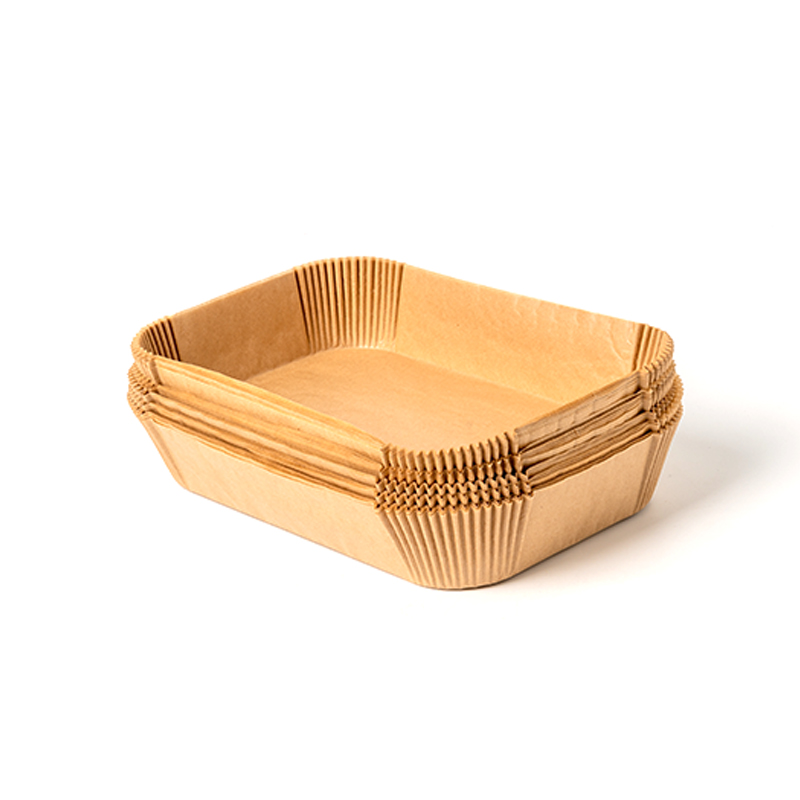
Product Features: 1. Virgin wood pulp 2. Double sides food grade silicone-treated 3. Fluorine-free 4. Non-stick 5. Air fryer basket safe 6. Reusable 7. BPA free 8. Biodeg...
See Details -

Product Features: 1. Virgin wood pulp 2. Natural unbleached brown color 3. Fluorine-free 4. BPA free 5. Biodegradable Product Details: Introducing our Unbleached Brown Food Grade ...
See Details -
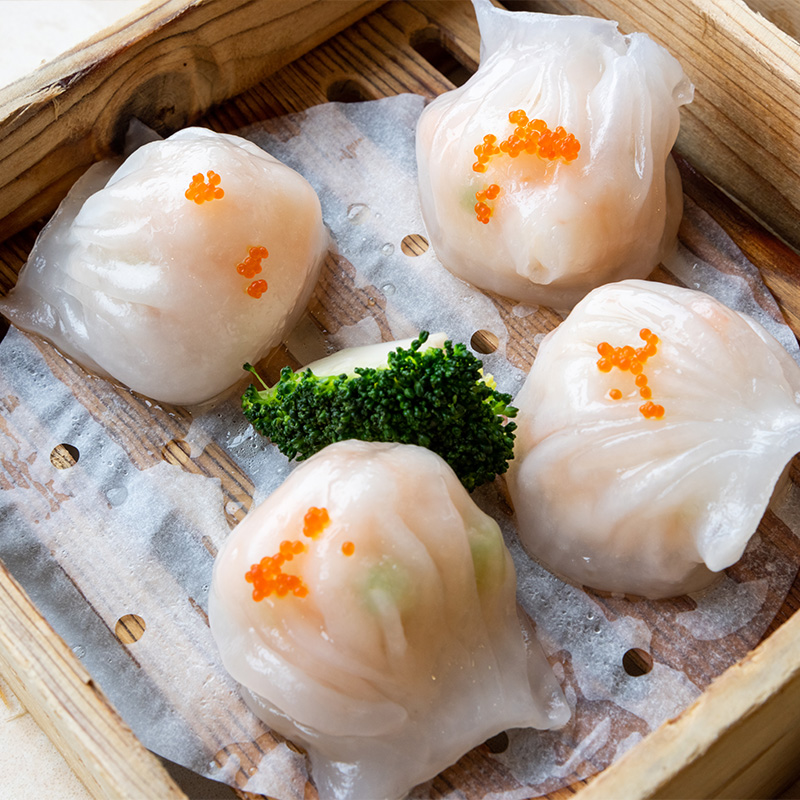
Product Features: 1. Virgin wood pulp 2. Double sides food grade silicone treated 3. Fluorine-free 4. Non-stick 5. Steamer/air fryer basket safe 6. Reusable 7. BPA free 8...
See Details -
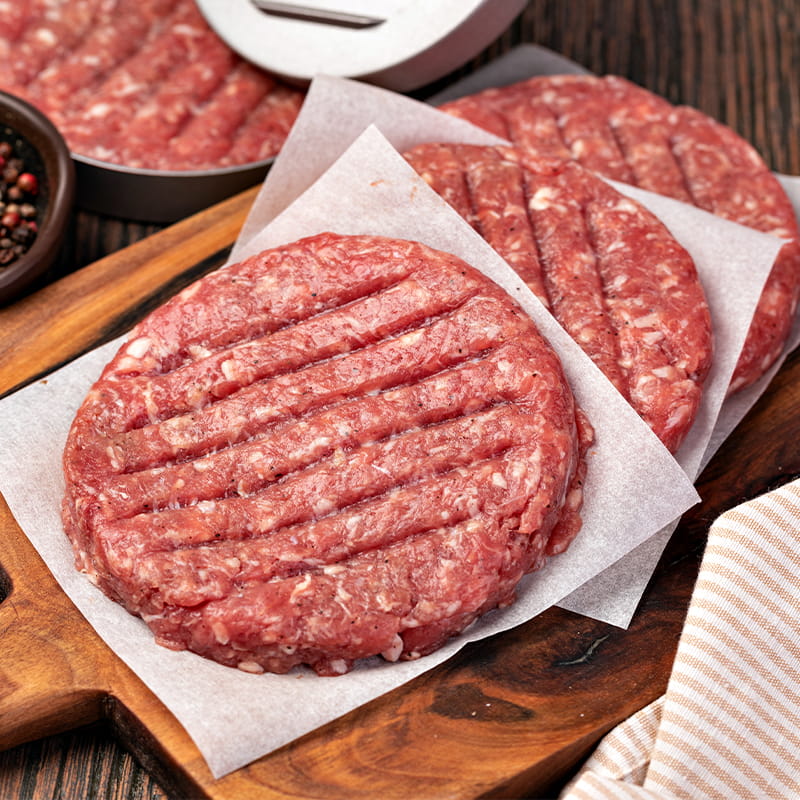
Product Features: 1. Virgin wood pulp 2. Double sides food grade silicone treated 3. Fluorine-free 4. Non-stick 5. Easy to separate 6. Reusable 7. BPA free 8. Biodegradab...
See Details -
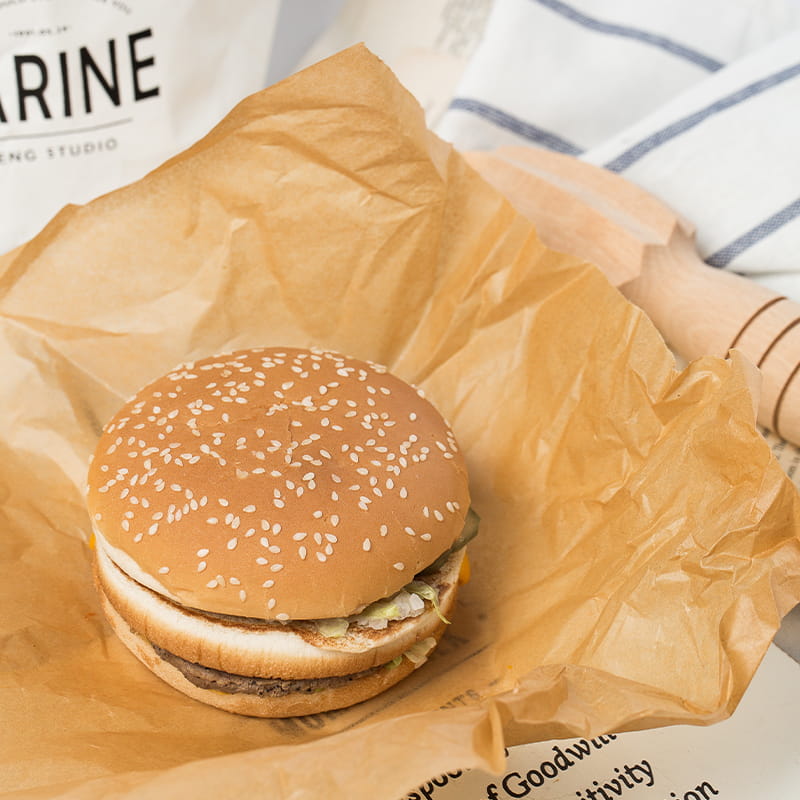
Product Features 1. Virgin wood pulp 2. Flexographic printing 3. Eco-friendly water-based ink 4. BPA free Product Details: Introducing our premium Greaseproof Sandwich Paper Sheets, a...
See Details

Professional Baking Parchment Paper Manufacturer in China with more than 15 years silicone coating experience.
Products
Contact Us
- No.10 Longyin Road, Chengnan Industrial Park,Longyou, Quzhou, China.
- +86-18968091013 / +86-571-88639705
- Avayao-1990@hotmail.com
Copyright © Zhejiang Guanghe New Materials Co., Ltd. All Rights Reserved.
Parchment Paper & Baking Paper Sheets Manufacturer
